12 Sep 2026
Coordinating Global Time Shifts for Precision in Live Football and Equine Wagering Markets
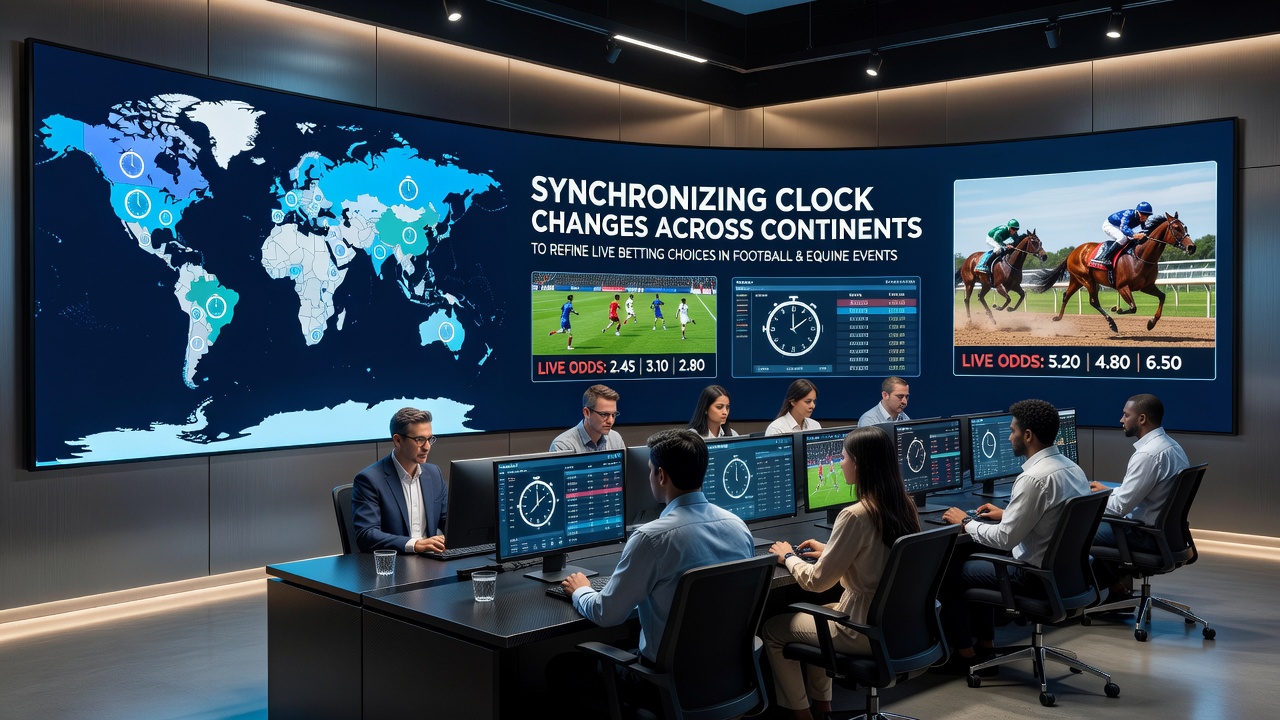
Time zone coordination plays a central role in live betting markets for football matches and equine events that span multiple continents, since broadcast schedules and event start times shift according to daylight saving transitions and regional clock adjustments. Data from industry reports shows that bettors accessing platforms from Asia, Europe, and the Americas encounter varying overlaps when major leagues in the English Premier League or Australian thoroughbred racing circuits go live, and these overlaps determine available in-play options at any given moment.
Regional Clock Adjustments and Their Reach
Daylight saving time changes occur at different points throughout the year across hemispheres, which means a September 2026 fixture in the UEFA Champions League might align differently for viewers in North America compared with those in Oceania. Observers note that European clocks typically advance in March and revert in October, whereas parts of Australia and New Zealand shift in the opposite direction during their spring and autumn periods. Research indicates these staggered transitions create brief windows where event clocks appear offset by an hour or more on international betting interfaces.
Football fixtures scheduled in the English Premier League or Serie A often begin at 15:00 local time in their home regions, yet that converts to early morning hours on the US west coast or late evening slots across Southeast Asia. Equine events at tracks such as Flemington in Melbourne or Churchill Downs in Kentucky follow similar patterns, and data shows that live odds on individual races update according to the host venue clock rather than the bettor's local time. Those who track these conversions report fewer missed entries when automated synchronization tools align with official time servers.
Impact on In-Play Football Markets
Live football betting relies on continuous data feeds that record goals, cards, and substitutions in real time, yet the underlying match clock remains tied to the venue's time zone. When a match in the Bundesliga kicks off at 18:30 Central European Time, platforms serving users in Japan must account for the eight-hour difference plus any daylight saving offsets that apply in September 2026. Figures from regulatory filings reveal elevated turnover during overlapping European and Asian market hours, because bettors gain extended access to second-half markets and injury-time selections.
Analysts at the European Gaming and Betting Association have documented how clock synchronization reduces discrepancies in cash-out valuations during late-game scenarios. A single minute's misalignment can shift expected goal probabilities by measurable margins, particularly in matches where extra time or stoppage time extends beyond scheduled ninety-minute durations. Platforms that pull from coordinated universal time sources maintain consistent odds displays across user regions.
Equine Event Timing and Cross-Continent Adjustments
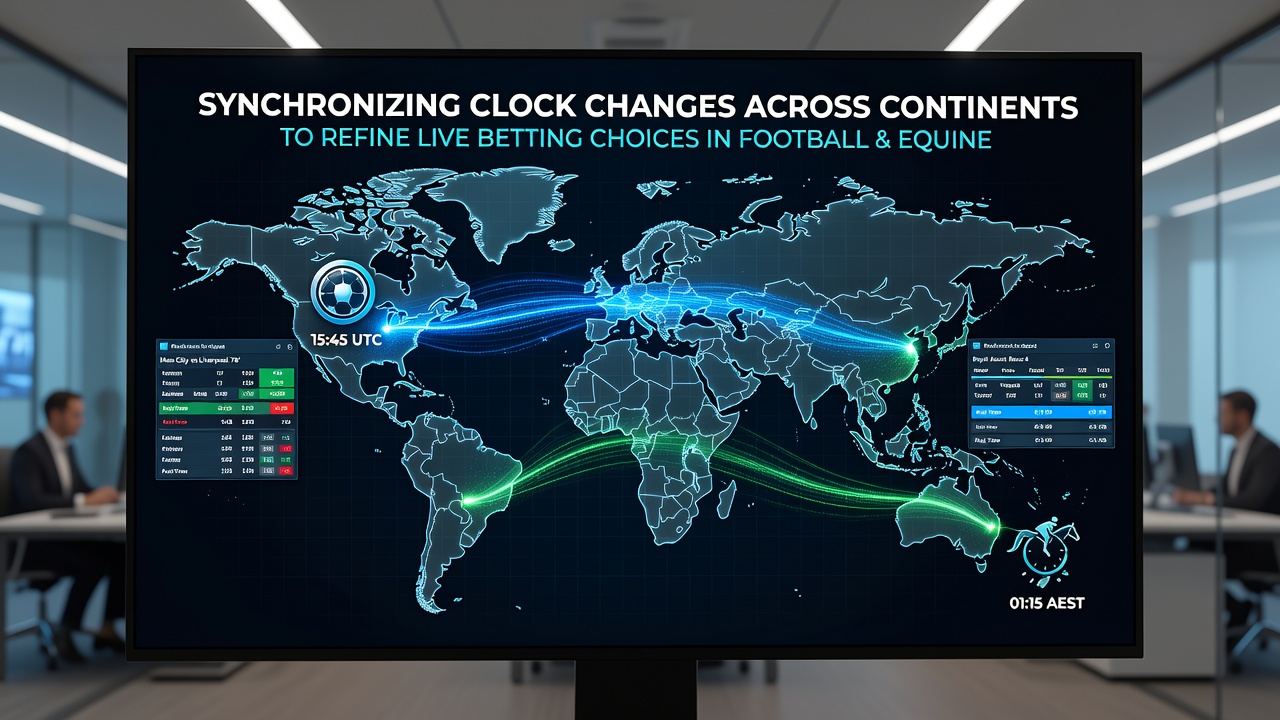
Thoroughbred racing calendars feature events that begin at precise post times determined by local stewards, and these times must convert accurately for global participants placing wagers on outcomes such as place finishes or exacta combinations. A race card at Ascot that opens at 14:00 British Summer Time reaches Australian audiences after their local evening, while North American bettors may encounter morning slots that overlap with other sports fixtures. Data from racing authorities shows that post-time adjustments during daylight saving periods alter the sequence in which multi-leg bets resolve across platforms.
Researchers studying North American tracks have observed that fall clock changes in early November can compress or expand intervals between races on international calendars. In September 2026, several major meetings in both hemispheres will operate under transitional daylight schedules, and operators that maintain synchronized feeds report steadier liquidity in live markets. Bettors using unified time references encounter fewer instances where a claimed result appears delayed because the platform clock differs from the track clock.
Tools and Standards Supporting Synchronization
Industry participants rely on network time protocol servers and official references maintained by standards organizations to keep betting interfaces aligned. These systems update automatically when regional authorities announce daylight saving shifts, which reduces manual corrections that previously introduced short-term pricing errors. Figures released by the National Institute of Standards and Technology indicate that sub-second accuracy supports the rapid settlement of in-play football and equine propositions.
Operators serving multiple jurisdictions integrate these feeds into their risk-management engines, allowing odds to refresh according to the event venue rather than fragmented user time zones. Studies of platform performance during 2025 clock transitions demonstrated measurable declines in dispute volumes when synchronization protocols remained active. Equine markets in particular benefit, because races conclude within minutes and any timing offset can affect photo-finish interpretations or dead-heat resolutions.
Regulatory Context Across Jurisdictions
Gaming regulators in various regions require operators to disclose how event times are presented to users, and compliance documentation often references coordinated universal time as the baseline. In Canada and parts of the European Union, licensing conditions include provisions for accurate time display during live events. These rules aim to ensure that bettors receive consistent information regardless of their location when football matches or horse races cross international date lines.
September 2026 will see several overlapping major events, including Champions League group stages and Australian spring racing carnivals, which will test current synchronization practices across platforms. Reports from trade associations note that continued investment in unified time infrastructure correlates with stable market participation during these high-volume periods.
Conclusion
Clock coordination across continents supports consistent live betting experiences in football and equine events by aligning venue times with user interfaces through standardized protocols. Data from multiple regulatory and industry sources confirms that accurate time references reduce operational discrepancies during daylight saving transitions and seasonal schedule shifts. As global calendars continue to feature simultaneous fixtures in September 2026 and beyond, platforms maintaining precise synchronization will sustain reliable access to in-play selections across regions.