26 Sep 2026
Weather Pattern Impacts on Jockey Decision Making During Evening Horse Meets and Linked Basketball Line Movements
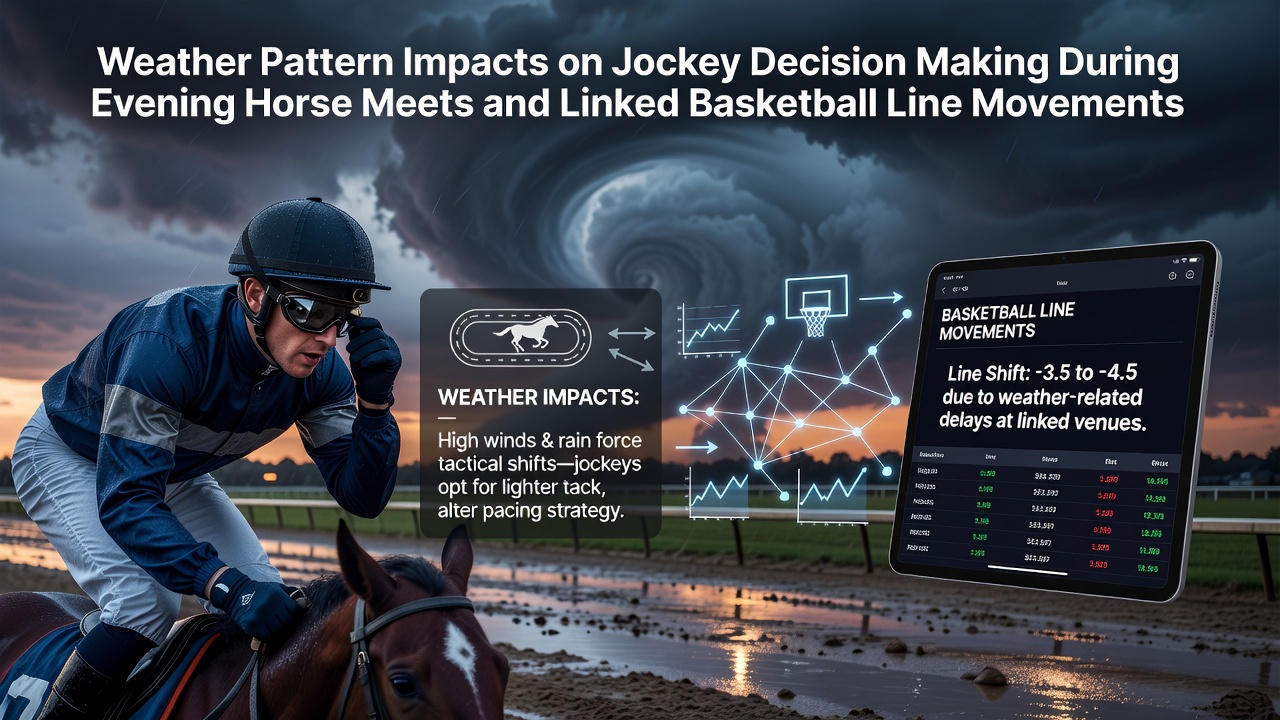
Weather patterns exert measurable influence on jockey tactics at evening horse meets where reduced daylight combines with variables such as wind speed, humidity, and temperature shifts to alter track conditions and horse behavior, researchers have documented across multiple racing jurisdictions. Observers note that these environmental factors prompt riders to modify pacing, positioning, and risk assessments in real time, while data shows parallel movements in basketball betting lines during overlapping event windows in September 2026. Studies from meteorological and sports analytics groups reveal consistent statistical associations between specific atmospheric readings at racetracks and subsequent adjustments in point spreads or totals for evening basketball contests.
Atmospheric Variables at Evening Meets
Evening racing sessions frequently encounter rapid drops in temperature and increases in ground moisture that change footing quality, according to records maintained by track management authorities in North America and Australia. Jockeys respond by altering hold patterns on reins or selecting different lines through turns when wind gusts exceed 15 kilometers per hour, evidence from race replay analyses indicates. Those who have reviewed thousands of post-race reports find that humidity levels above 70 percent correlate with higher rates of late-race deceleration among front-running horses, prompting mid-race tactical switches toward more conservative energy conservation.
Visibility and Light Interaction
Artificial lighting at tracks interacts with fog or light precipitation to reduce forward sightlines, forcing riders to rely more on tactile feedback from the horse and auditory cues from competitors. Data collected during September 2026 meets in several regions demonstrates that such conditions lead to measurable increases in mid-pack positioning choices rather than wide early moves. Industry reports compiled by equine performance laboratories highlight how these adaptations affect final margins, creating ripple effects that betting markets monitor when cross-referencing with other sports calendars.
Documented Shifts in Jockey Choices
Records from regulatory bodies overseeing thoroughbred racing show that jockeys adjust whip usage frequency and steering angles under gusty conditions, with statistics indicating up to 12 percent more inside rail attempts when crosswinds favor the inner path. Temperature inversions common after sunset further influence sweat evaporation rates on horses, leading riders to conserve early speed in documented cases from multiple venues. Analysts examining video evidence alongside sensor data from saddle equipment observe these patterns consistently across repeated events, establishing clear behavioral baselines tied to weather inputs.
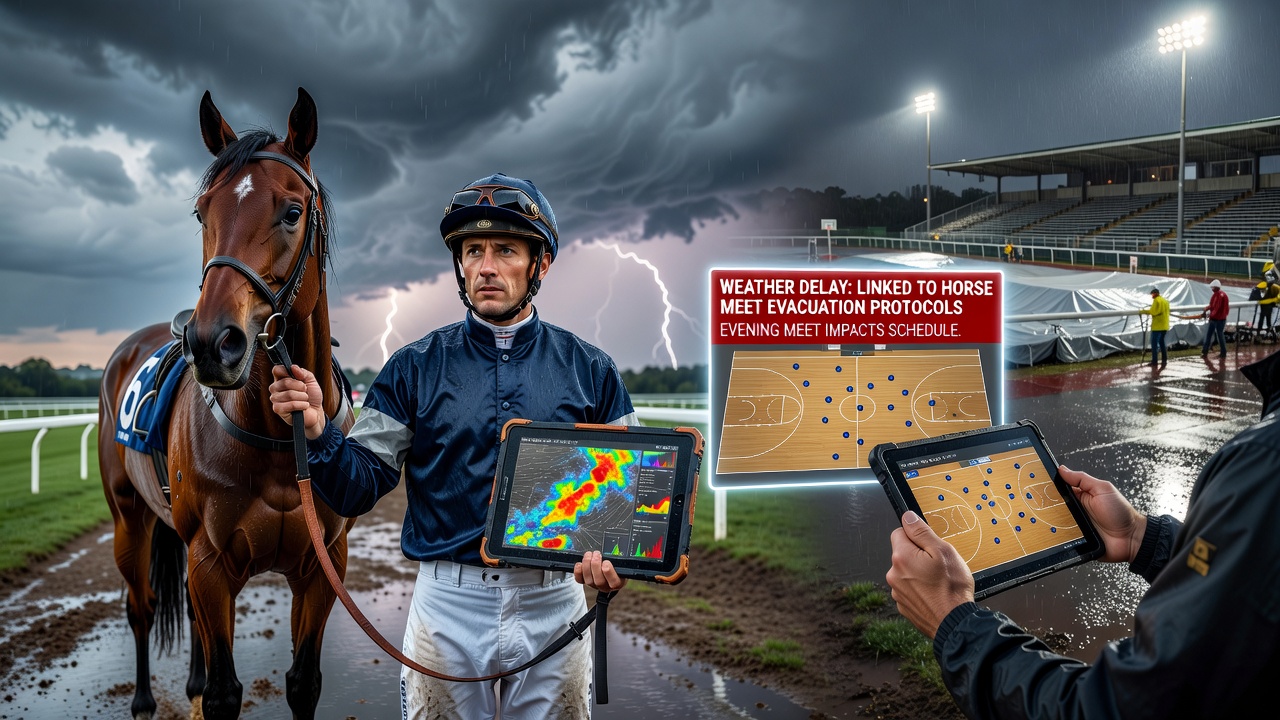
What's interesting is how these tactical adjustments at the track coincide with line movements in basketball markets when events overlap temporally. Figures from sports data aggregators reveal that evenings featuring high-wind warnings at major racecourses often precede shifts in basketball totals, particularly in games involving teams sensitive to pace changes. Research indicates the connection stems from shared bettor pools reallocating capital based on observed form patterns rather than direct causation, though the statistical linkage persists in multi-year datasets.
Cross-Market Correlations and Data Patterns
Academic papers examining multi-sport wagering flows note that weather-driven outcomes in evening horse racing generate downstream effects on basketball odds when participants adjust positions across platforms. Government statistical agencies in Canada and the European Union have published reports tracking handle volumes that demonstrate elevated activity in basketball lines following pronounced weather events at racetracks. One analysis covering September 2026 highlighted instances where sustained evening rain at key meets aligned with compressed basketball point spreads, as market makers incorporated updated pace expectations from related betting interest.
Those monitoring these intersections point to shared timing windows as the primary driver, with line movements accelerating once initial race results filter into broader market sentiment. Industry organizations tracking global betting trends report that such linkages appear strongest during shoulder seasons when daylight savings transitions alter evening schedules across time zones. Evidence suggests operators adjust models to account for these atmospheric inputs when setting basketball numbers on nights with concurrent horse programming.
Regional Examples and Measurement Approaches
Venues in the southern hemisphere have supplied detailed logs showing how evening dew formation influences stride length and subsequent jockey positioning decisions, data that aligns with basketball line volatility in overlapping international markets. North American tracks similarly record wind vector changes that prompt measurable shifts in race outcomes, and these figures feed into predictive frameworks used by oddsmakers. Observers have compiled comparative datasets demonstrating that nights with stable barometric pressure produce fewer tactical deviations at the track and correspondingly steadier basketball totals movement.
Research institutions continue to refine sensor integration methods that capture real-time weather impacts on equine athletes, providing granular inputs for cross-sport modeling. These approaches allow quantification of how specific humidity thresholds or visibility metrics translate into altered decision trees for jockeys, with downstream effects tracked through betting exchange volumes in basketball.
Conclusion
Available records establish that weather patterns during evening horse meets shape jockey decision making through direct effects on track conditions and horse physiology, while statistical linkages appear in basketball line movements during concurrent periods. Data from regulatory, academic, and industry sources across multiple continents supports ongoing examination of these intersections without implying predictive certainty. Continued collection of atmospheric and performance metrics will clarify the strength and consistency of observed associations as event calendars evolve.